
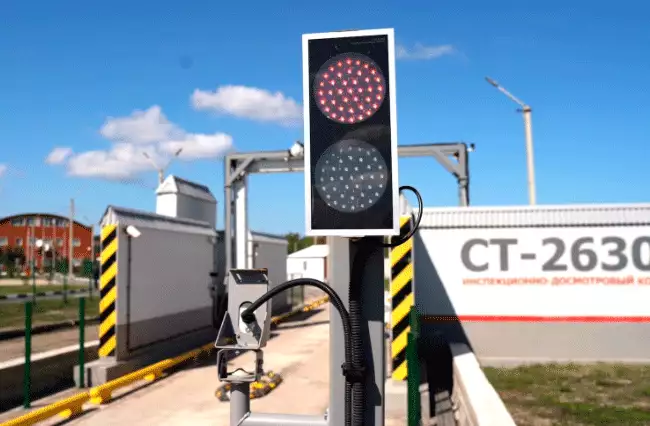
When your goods arrive at the customs border, they pass through an automated Risk Management System (RMS). This system determines how "strictly" your cargo should be inspected by placing it into one of three main channels.
1. Green Channel (The Fast Track)
This is the best-case scenario for any importer.
- What it means: Your cargo is exempt from physical inspection and detailed document scrutiny.
- The Advantage: Customs clearance takes only minutes, allowing you to pick up your goods almost immediately.
- How to get here: Maintain a "clean" customs history, provide perfectly completed documents, and work with reliable partners.
2. Yellow Channel (Documentary Check)
In this case, the system detects certain discrepancies or potential risks in the paperwork.
- What it means: A customs officer is required to perform a thorough documentary check. They may request additional certificates, invoices, or clarifications.
- The Advantage: The cargo is not physically opened or inspected.
- What to do: Provide the requested documents promptly to avoid further delays.
3. Red Channel (Physical Inspection)
This is the most time-consuming and complex procedure.
- What it means: In addition to checking the documents, a physical inspection of the cargo is carried out. Customs officers may open boxes, weigh the goods, and compare them with the declared data.
- Why it happens: High-risk product categories, inaccurate quantities, or if you are a first-time importer.
How to Minimize the Chance of Falling into the "Red Channel"
- Accurate Invoices: Ensure that the quantity, weight, and value of the goods are stated with 100% accuracy.
- Correct HS Code Selection: Selecting the wrong HS code automatically moves the cargo into the high-risk control zone.
- Professional Broker: An experienced specialist knows the nuances and will help you avoid technical errors that trigger the Red Channel.
Brokers.am is designed to help you find professional brokers who will ensure your cargo goes through the "Green Channel" as often as possible.