
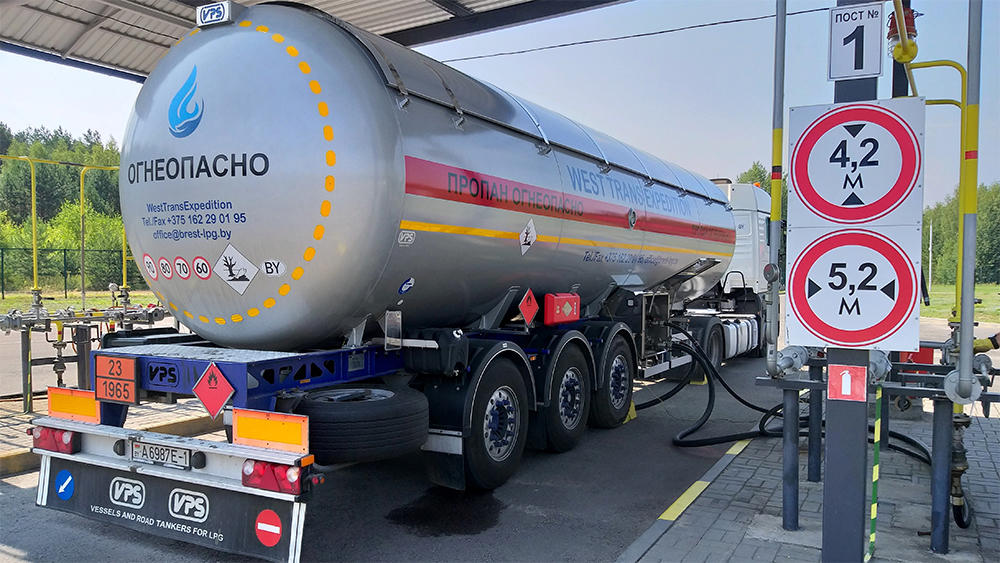
The demand for Liquefied Petroleum Gas (LPG) within the Armenian energy sector remains systematically high. Importers source this strategic resource from multiple channels, primarily Russia, Iran, and Iraq. However, from a customs regulation and fiscal perspective, these three distribution channels possess stark operational variances, given that Russia is an EAEU member state, while Iran and Iraq operate under third-country regulatory frameworks.
In this article, we break down how customs clearance is executed for each route and highlight the critical factors an importer must evaluate.
1. Importation from the Russian Federation (EAEU Zone)
Because Armenia and Russia reside inside a unified customs union, shipping LPG from the RF benefits from streamlined customs integration.
- Customs Duty: Rated at 0%. No full Cargo Customs Declaration (GTD) needs to be processed at the state border.
- Taxation Strategy: No fiscal duties are collected by border customs points upon entry. Instead, the importer is legally obliged to submit an indirect import tax declaration to the State Revenue Committee before the 20th day of the subsequent month and settle the 20% VAT and Excise tax.
- Logistics & Paperwork: Managed via road fuel tankers under a standard CMR layout. The processing plant’s certified Quality Passport (Паспорт качества) and an EAEU Declaration of Conformity are strictly mandatory.
2. Importation from the Islamic Republic of Iran (Third Country)
Iran shares a direct land border with Armenia, offering exceptional logistics efficiency, but it carries a third-country status, necessitating exhaustive import customs layout.
- Customs Duty: Handled under a full customs entry scheme (Import 40 regime). Tariffs are assessed via the Unified EAEU Customs Tariff, unless specific preferential reductions apply through the EAEU-Iran Free Trade Framework.
- Tax Settlement: Unlike the Russian framework, VAT, Excise duties, and processing fees must be paid directly at the customs house prior to securing cargo release.
- Valuation Risks: Valuation units closely audit commercial invoice figures coming from Iran. Declaring values under reference guidelines often results in mandatory customs value adjustments (КТС).
3. Importation from Iraq (Transit Matrix Complexity)
Importing LPG from Iraq has accelerated over recent cycles, yet this specific channel commands the most intricate logistical and administrative compliance path.
- Transit via Iranian Territory: As Iraq shares no physical border with Armenia, fuel tankers must pass entirely across Iranian land under an "International Transit" customs regime. This mandates extra transit documentation, convoy oversight, or localized customs seals.
- Clearance inside Armenia: Upon arriving at the Meghri customs checkpoint, the load is processed under standard non-EAEU protocols (similar to Iranian direct shipments), requiring comprehensive clearing layouts and immediate up-front payment of all domestic