
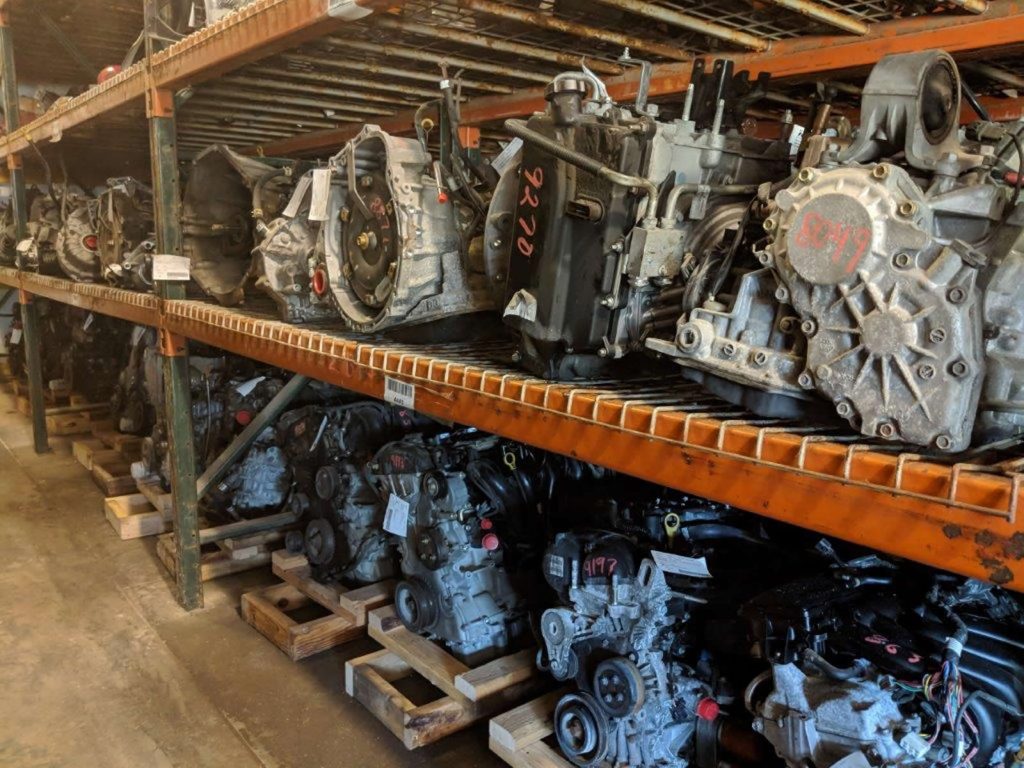
When an importer brings a bulk shipment of used engines, transmissions, or body parts from Japan, the USA, or Europe, these goods are often purchased by weight, in mixed lots, or at salvage value.
For a customs inspector, verifying whether a low invoice price is genuine or an attempt at undervaluation is difficult. Consequently, used auto parts are almost always routed to the Yellow or Red channels, prompting customs to rely on alternative valuation methods.
2. Primary Methods for Determining Customs Value
If the transaction value method (Method 1) is rejected, customs authorities deploy the following sequential steps:
- Transaction Value of Identical or Similar Goods: Customs searches its internal database for clearance prices of identical or similar used parts (e.g., an engine of the same make, model, and production year) imported into Armenia within the last 90 days.
- Expert Appraisal (Depreciation Method): If no direct match exists in the database, the items are sent for an expert appraisal. The appraiser takes the original retail (brand new) value of the part and deducts a depreciation percentage based on visual condition, manufacturing year, and signs of operational wear.
3. How to Prove a Low Purchase Price
Importers retain the legal right to defend their declared invoice value. To do so, you should provide supporting secondary evidence:
- Source Transparency: The official receipt or invoice from the foreign auction house or website (like Yahoo Auctions), including screenshots showing the specific lot's final bidding price.
- Bank Wire Transfer Proof: Payment swift confirmations proving that the exact amount stated in the invoice was transferred to the foreign seller.
- Loading Photos: Photographs taken during container loading that clearly document the used, dismantled, or defective state of the parts.