
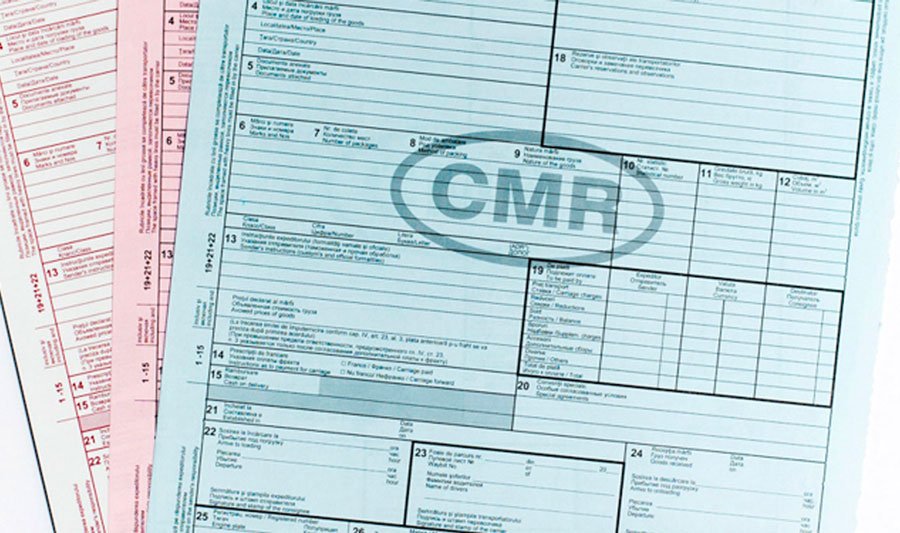
In international road freight transport, the most critical document accompanying the cargo throughout its journey is the CMR (International Consignment Note). It serves as a tripartite contract between the shipper, the carrier (driver), and the consignee, while also confirming that the goods were received for transport in visually sound condition.
However, during the customs clearance stage, inspectors subject the CMR to meticulous scrutiny. Even a minor technical clerical error or data discrepancy within this single form can prompt cargo detentions, heavy fines, and an indefinite shutdown of the customs clearance process.
1. High-Risk CMR Fields Prone to Errors
The CMR layout comprises several mandatory fields that must align perfectly with the commercial Invoice and Packing List:
- Boxes 1 & 2 (Sender and Consignee): Corporate names, tax IDs, and registered addresses must match the commercial contract exactly, character for character.
- Box 3 (Place of Delivery of Goods): This specifies the destination customs terminal or bonded warehouse where the freight must legally report. An incorrect address means the truck will be denied entry to the target facility.
- Box 11 (Marks, Nos, Commodity Description, Packages, Weight): The highest-risk zone. Even a minor variance of a few kilograms between Net and Gross weight can be treated as a customs infraction.
2. How Discrepancies Freeze the Clearance Pipeline
Upon border arrival, inspectors cross-reference the electronic declaration data against the physical CMR. Any divergence invokes critical operational bottlenecks:
- Administrative Violation Reports: If the package count or weight listed in the CMR is less than what is physically inside the truck, you face charges of non-declaration or smuggling, introducing heavy fines.
- Transit Declaration (TD) Rejection: To open a transit loop at the border, CMR data must be completely identical to the invoice. Errors lock the truck at the checkpoint, causing costly carrier demurrage fees.
3. Mitigating CMR Errors Mid-Transit
If a mistake is discovered after the wheels are rolling, proactive remedies must be executed before the truck crosses into the customs zone:
- Re-issuing a Corrected CMR: The shipper or freight forwarder should immediately generate an amended CMR, email a scanned copy directly to the driver, and courier the original layout to the customs destination point.
- Official Carrier Letter: The transport agency can issue a formal letter of correction to the customs post, certifying that a typographical mistake occurred and appending the verified metrics.