
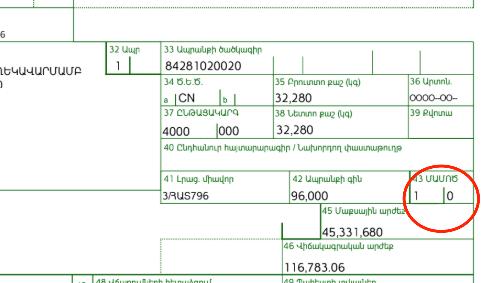
For any importer, the ideal scenario is clearing cargo based on their own invoice price. In customs legislation, this is formally recognized as Method 1 or the "Transaction Value Method." However, in practice, businesses frequently encounter the dreaded inspector notice: "Your declared value is below our database risk profile; we must adjust your value (КТС) or apply a reference price."
Customs authorities do not possess the legal right to arbitrarily reject Method 1 simply because your price sits lower than their internal pricing matrix. The root cause of a rejection is almost always document gaps or a lack of transaction transparency.
Below is the definitive "ironclad" documentation package that, when submitted, leaves a customs inspector with no statutory grounds to dismiss your declared transaction value.
1. Base (Mandatory) Documents
These papers form the foundation, but on their own, they may not suffice to preserve Method 1 if your pricing is highly competitive:
- International Commercial Contract: Complete with all binding specifications and annexes.
- Commercial Invoice: Clearly itemizing the exact commodity description, quantity, and unit/total pricing.
- Transport Waybill: CMR for road freight, or a Bill of Lading (B/L) for ocean shipping.
2. Financial Transparency Documents (The Strongest Defense)
You must prove to customs that the financial amount specified on the Invoice was genuinely executed or remains legally payable under the contract terms:
- Bank Wire Transfer Confirmation (SWIFT): This is your strongest piece of evidence. If you have already prepaid for the cargo, present the bank-stamped SWIFT message. The financial figures must align down to the cent with your invoice.
- Bank Statement: Proves that the specified amount was officially debited from your corporate account in favor of the foreign supplier.
3. Country of Origin & Secondary Transport Proofs
If the goods were sourced directly from a manufacturer but customs remains skeptical, present the following:
- Export Customs Declaration (e.g., EX-1 from the EU): This is the official declaration validated by the customs house of the dispatching country (USA, EU, China). Inspectors know falsifying value abroad is a criminal offense, so a matching EX-1 often settles all doubts.
- Manufacturer's Official Price List: Certified by the factory or fetched from their verified corporate portal, confirming that the pricing structure is universally accessible.
- Freight Invoice: If your Incoterms structure (e.g., EXW or FOB) dictates that you pay for transit, the logistics provider's invoice must be attached so these costs are accurately incorporated into the total customs value declaration (DТС).
What If the Inspector Still Attemps to Reject Your Value?
If you have furnished all the above documents and customs still insists on a valuation adjustment, you hold the legal right to clear the goods under a "Security Deposit." You pay the high differential duty as a temporary deposit, secure the release of your cargo, and utilize a 30-day window to provide supplementary administrative accounting books to customs proving that the goods entered your warehouse at the exact low price. Upon validation, the state is legally bound to return the frozen deposit back to your account.